What a Home Inspector Misses
Foundation
Inspection
in Maryland
A home inspector checks the box. OBW measures, documents, and explains what your foundation is actually doing.
Free, no-obligation inspection covering walls, floors, sill plates, rim joists, and settlement patterns. Written report with photos. Consultative inspectors, no pressure, no overselling.
More Than a Checklist
What OBW's Foundation
Inspection Actually Covers
Maryland's Piedmont clay soil expands and contracts with the seasons. Wet springs load pressure against foundation walls. Dry summers cause soil to pull away and allow settlement. Freeze-thaw cycles widen cracks year over year. A foundation that looked stable at home purchase five years ago may be telling a different story today.
OBW's foundation inspection is designed to read that story. We examine every wall face for crack patterns, distinguishing shrinkage cracks from structural ones, measure deflection on block walls, check the floor slab for heave and water entry points, and inspect the sill plate and rim joist for evidence of long-term moisture infiltration that doesn't show anywhere else.
The inspection is free. The report is written. There is no obligation to hire us for any work. If your foundation is in good shape, the inspector will tell you and give you a timeline for when to re-check. If there are issues, you will have clear documentation of what they are and what the options are.
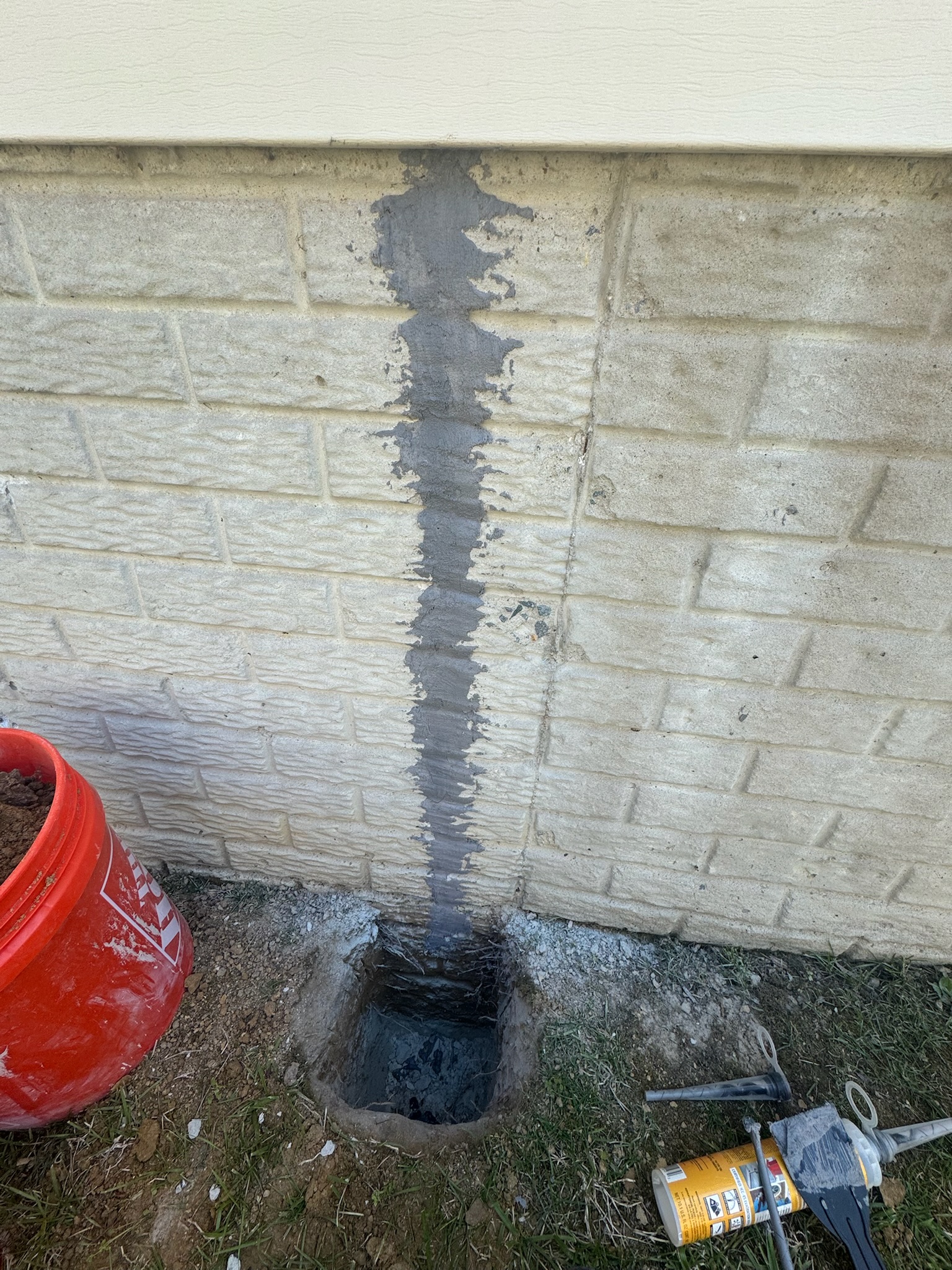
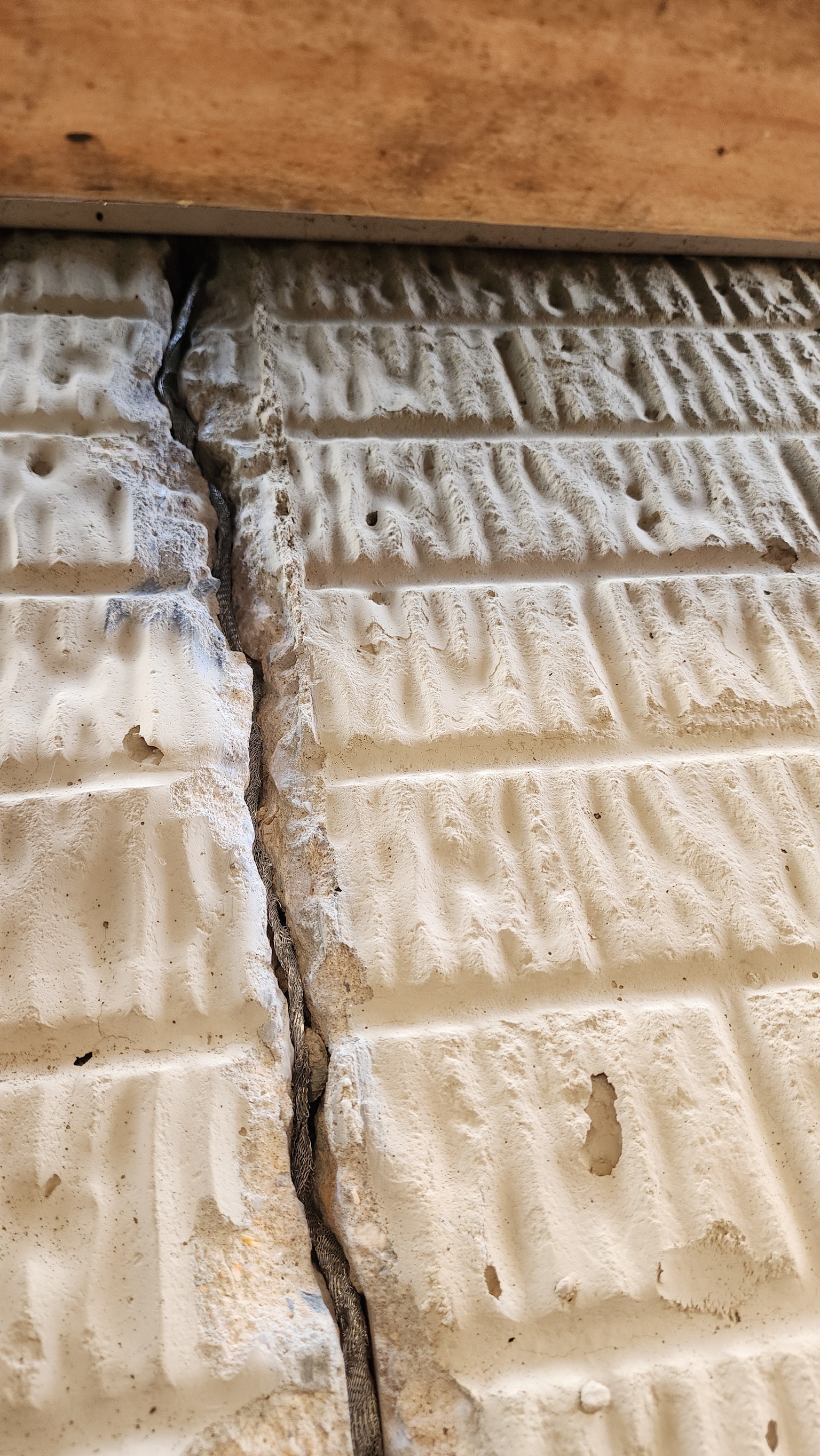
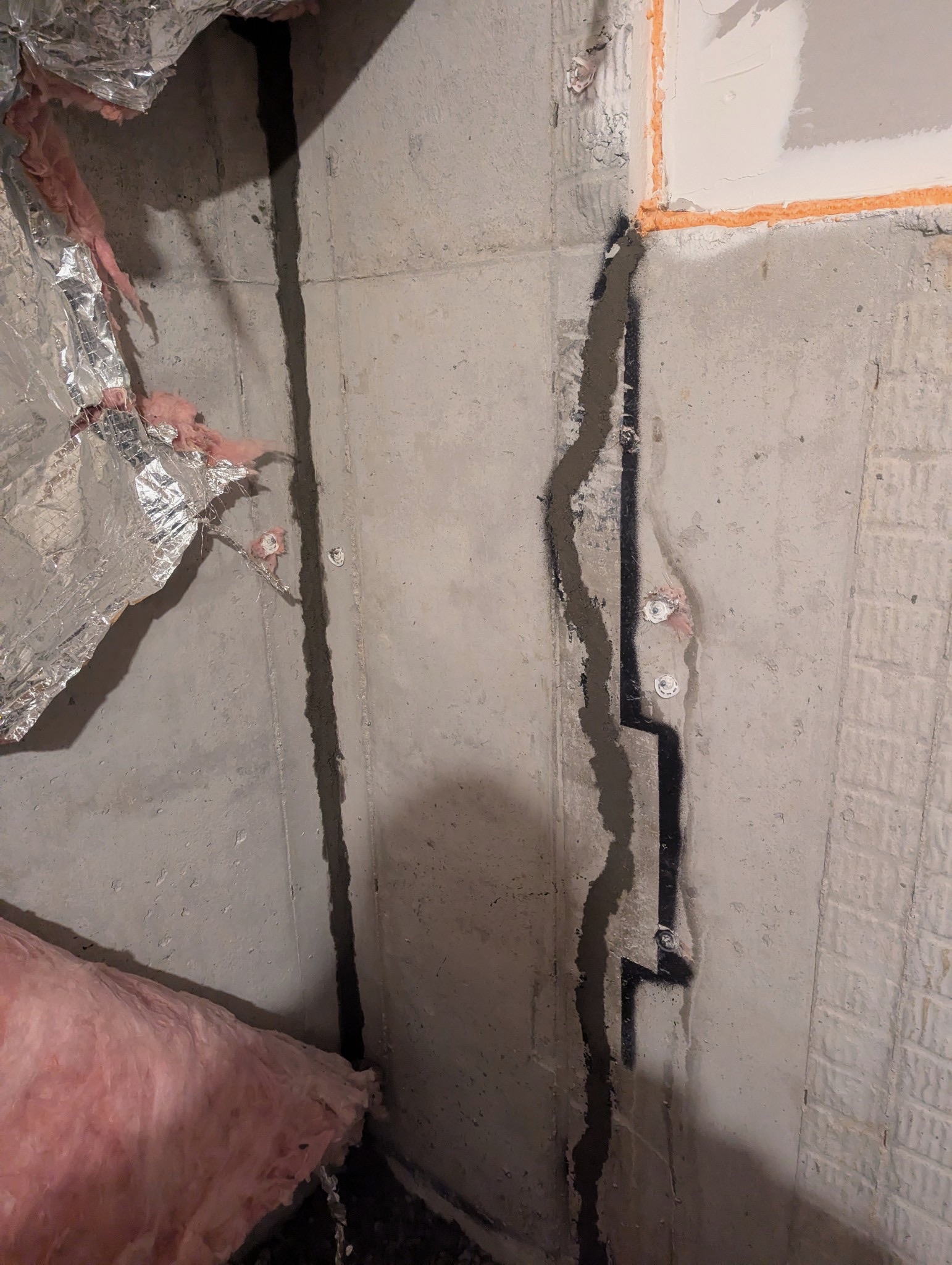
A previously sealed vertical crack in a block foundation wall, the kind of past repair an inspection documents
When to Call for an Inspection
Warning Signs That Warrant
a Foundation Look
Many foundation problems announce themselves through the house before they're visible in the foundation itself. These are the signs that warrant a call.
- Doors or windows that stick, drag, or no longer close squarely, settlement shifts frames
- Diagonal cracks running from the corners of window or door frames
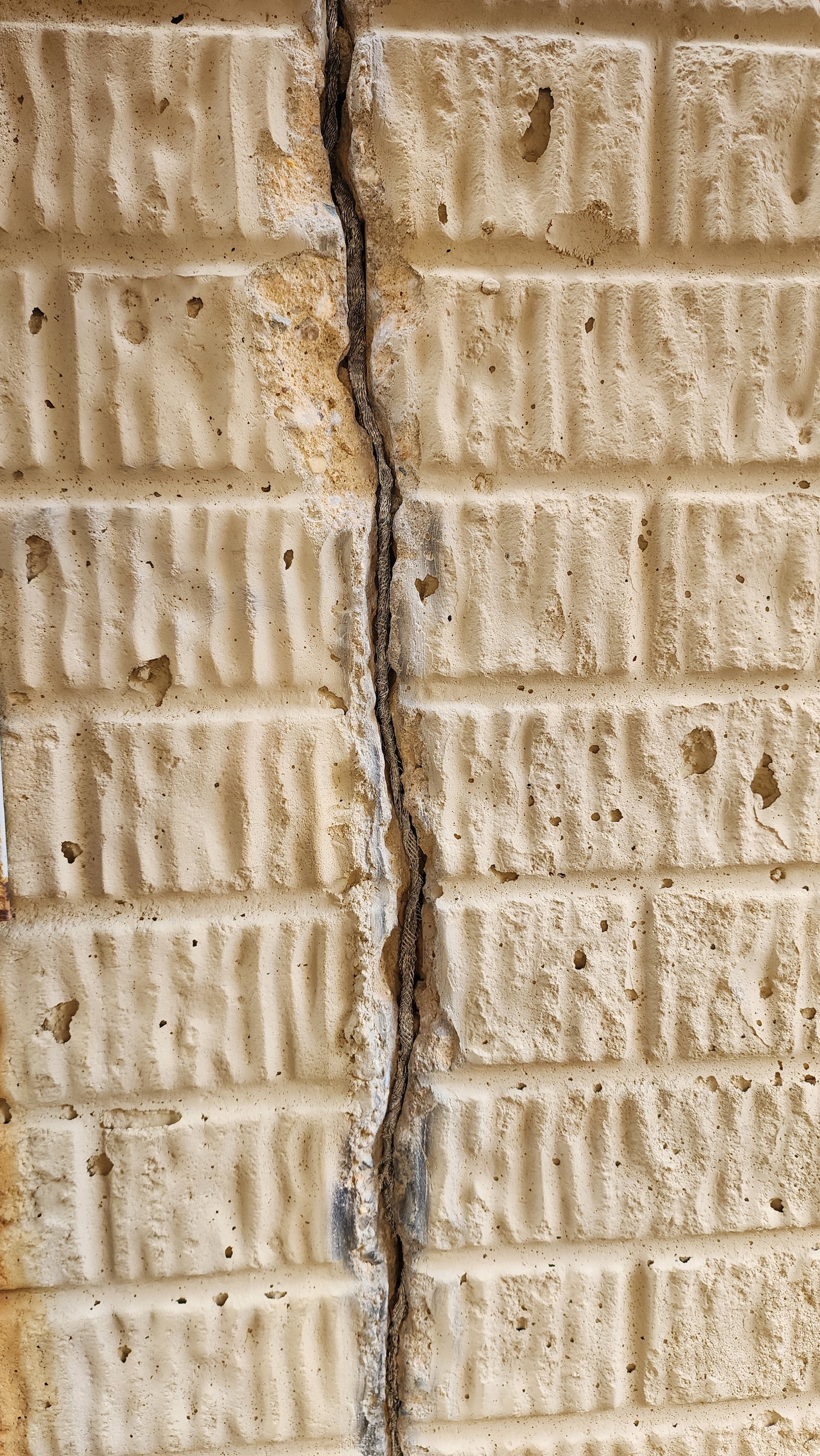
- Visible cracks in foundation walls, horizontal, diagonal, or stair-stepping in block
- Before purchasing a home, especially older Maryland construction from the 1940s to 1970s
- After unusually heavy rain seasons or back-to-back storm events that saturate the soil
What We Examine
What OBW's Inspection Covers
Every inspection follows the same thorough sequence. Nothing is skipped because the foundation looked fine from the doorway.
Full Perimeter Wall Assessment
Every wall face is examined for crack patterns, efflorescence, lateral deflection, and moisture staining. We measure, not just look.
Floor Slab & Cove Joint Inspection
Floor cracks, heave patterns, and the joint where floor meets wall are checked. This is where the majority of Maryland basement water enters.
Sill Plate & Rim Joist Check
Long-term moisture infiltration shows up in the wood framing first. We check for rot, staining, and compromised structure above the foundation wall.
Settlement Pattern Documentation
Diagonal cracks at window corners, floor slopes, and door frame gaps all tell a story. We document and interpret the pattern, not just the individual crack.
Written Report with Photos
You receive a written summary of findings with photographs, useful for your records, for real estate disclosure, or for comparing with future inspections.
No Obligation, Consultative Guidance
Our inspectors take a consultative approach. If nothing needs work, they will tell you. The inspection is free regardless of outcome.
What to Expect
How an OBW Foundation
Inspection Works
From exterior walkthrough to written report, here is exactly what the inspection covers and in what order.
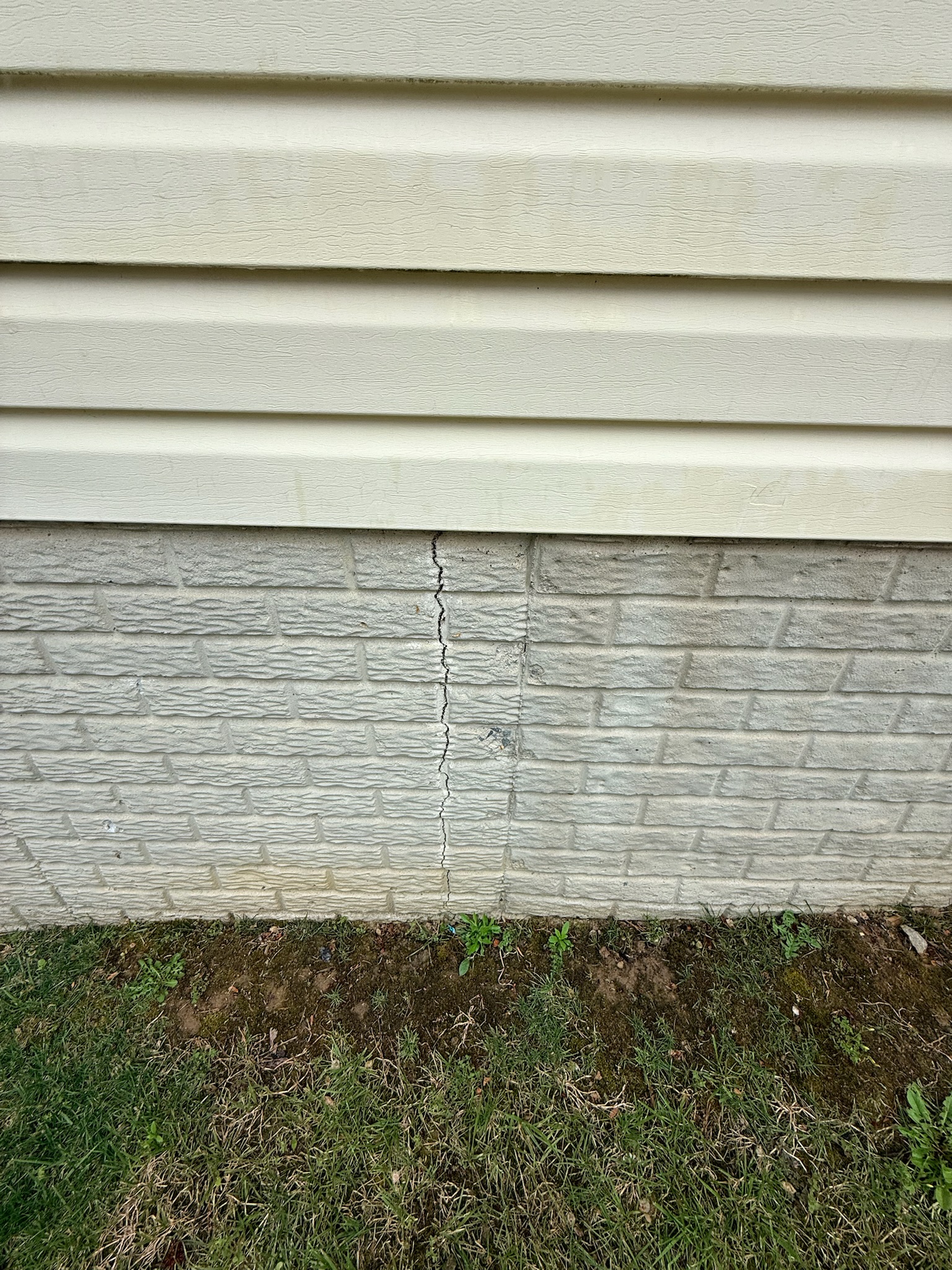
Exterior Walkthrough
We note grading, downspout discharge, window well drainage, and visible exterior cracks before entering. Exterior conditions explain most interior findings.
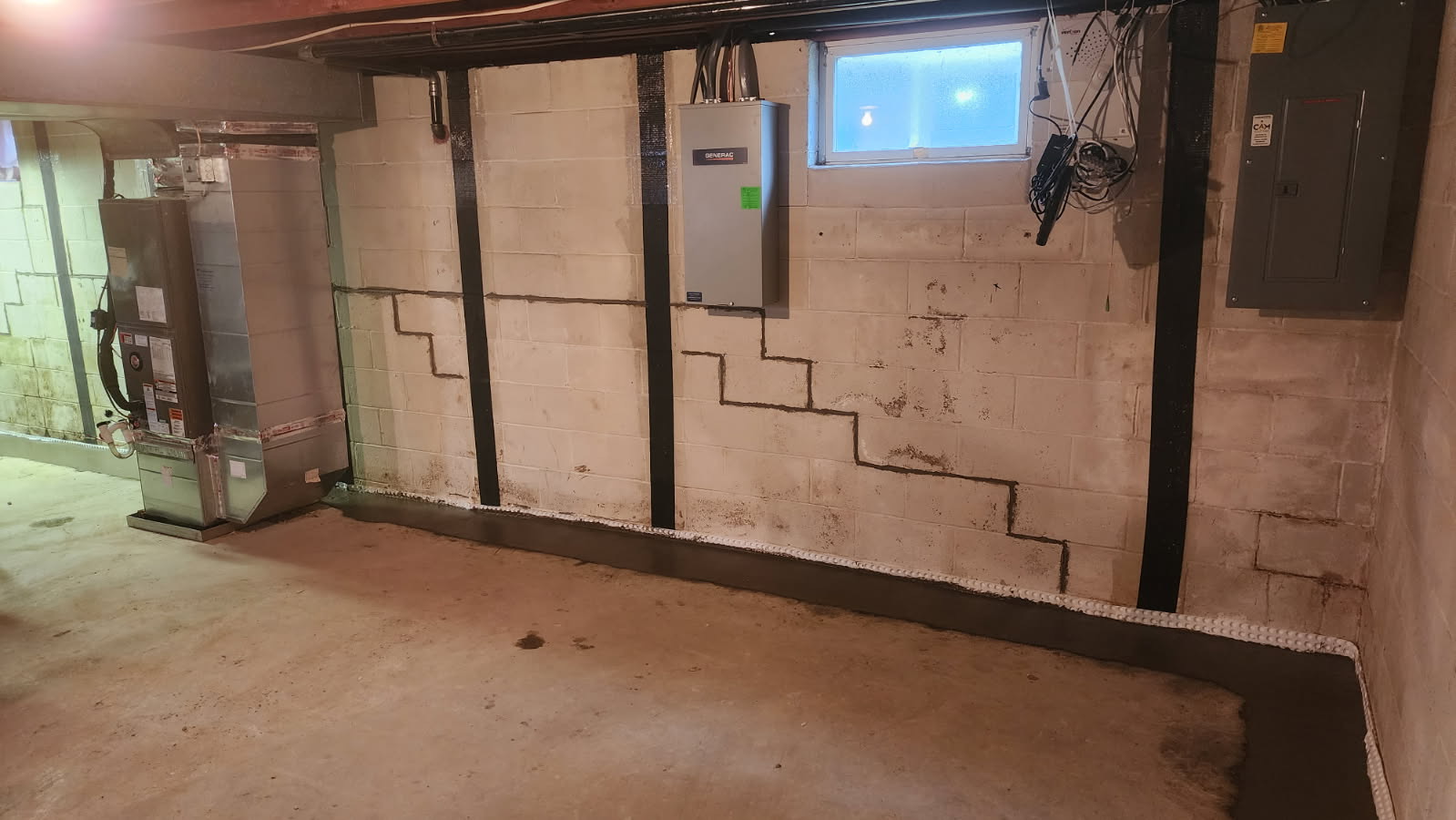
Interior Wall & Floor Assessment
Every interior wall face is examined. Cracks are measured for width and length. Deflection is checked with a level. Moisture indicators are noted.
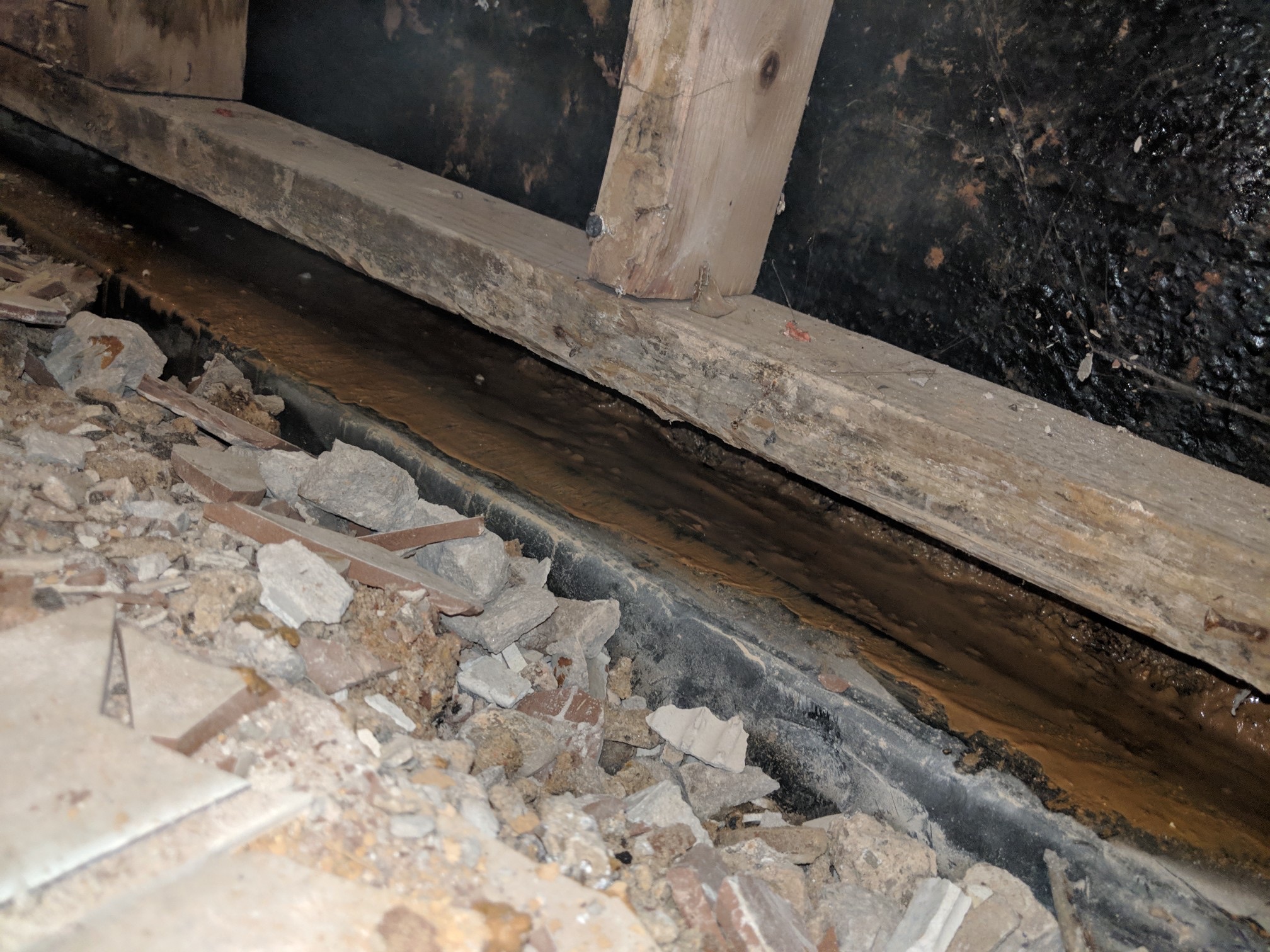
Structural Wood Check
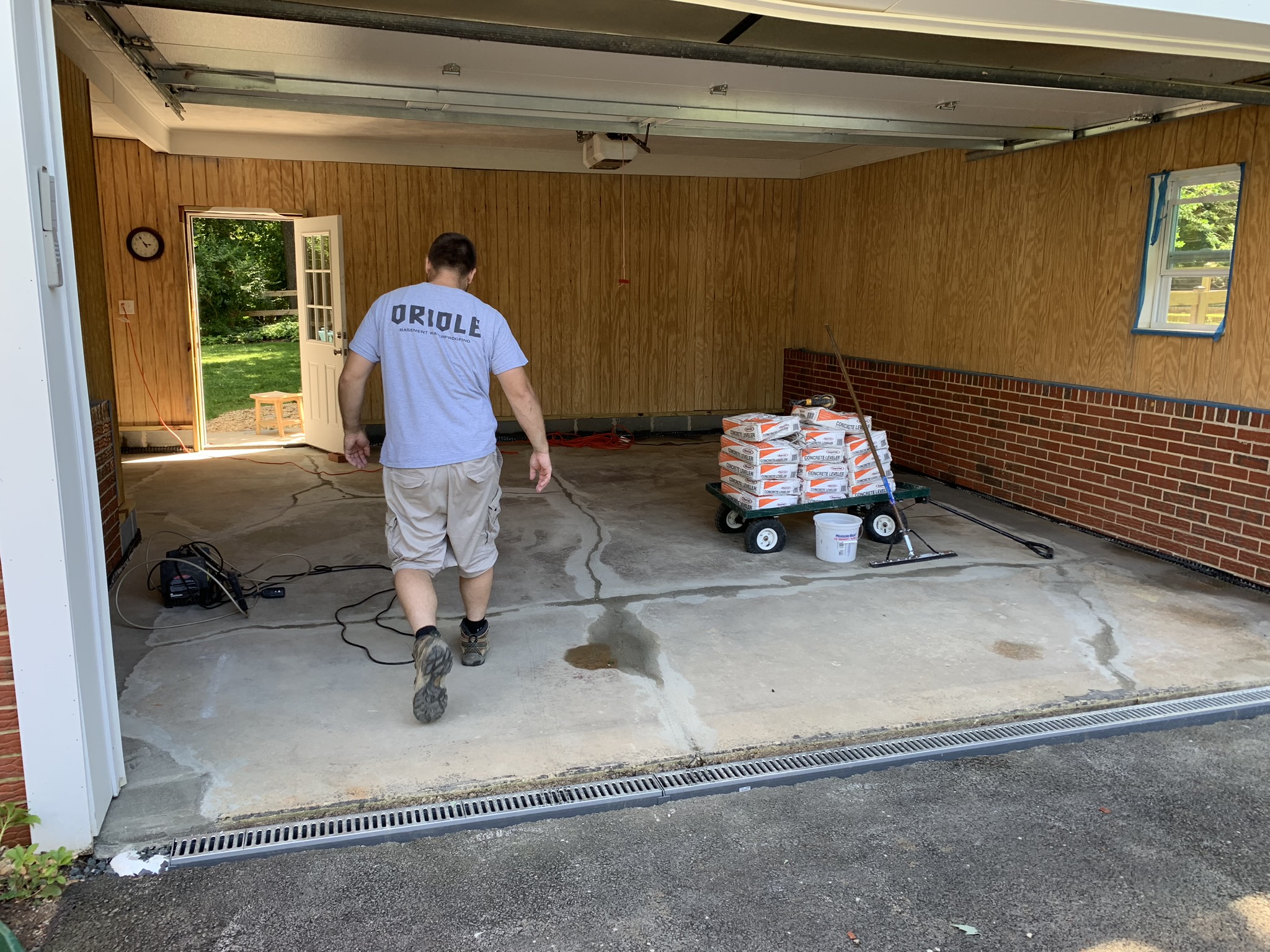
Written Report & Verbal Walkthrough
The inspector walks you through findings before leaving. A written report with photos follows. No surprise quotes, just documented facts.
Photos From the Field
Job Site Photos
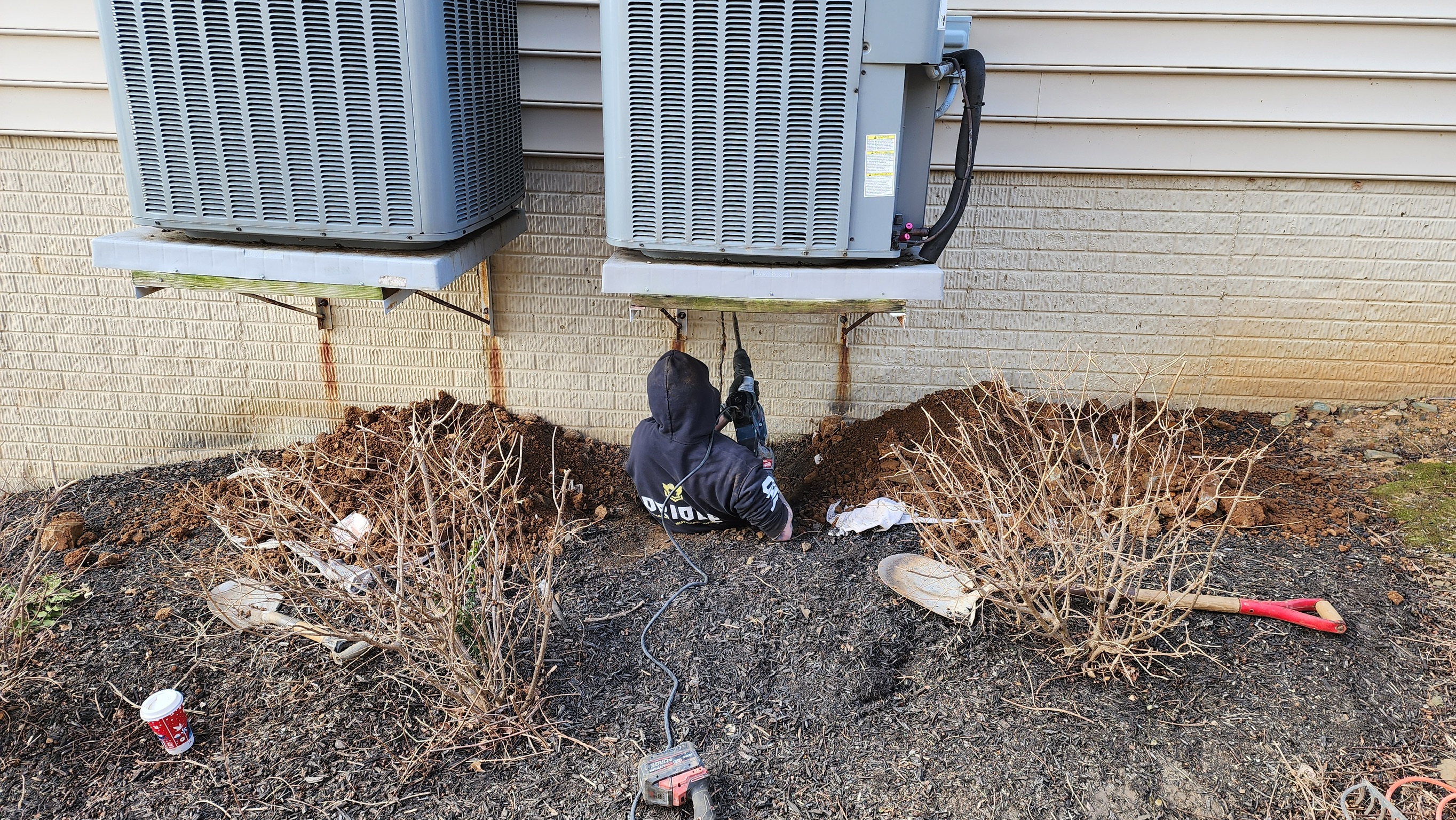
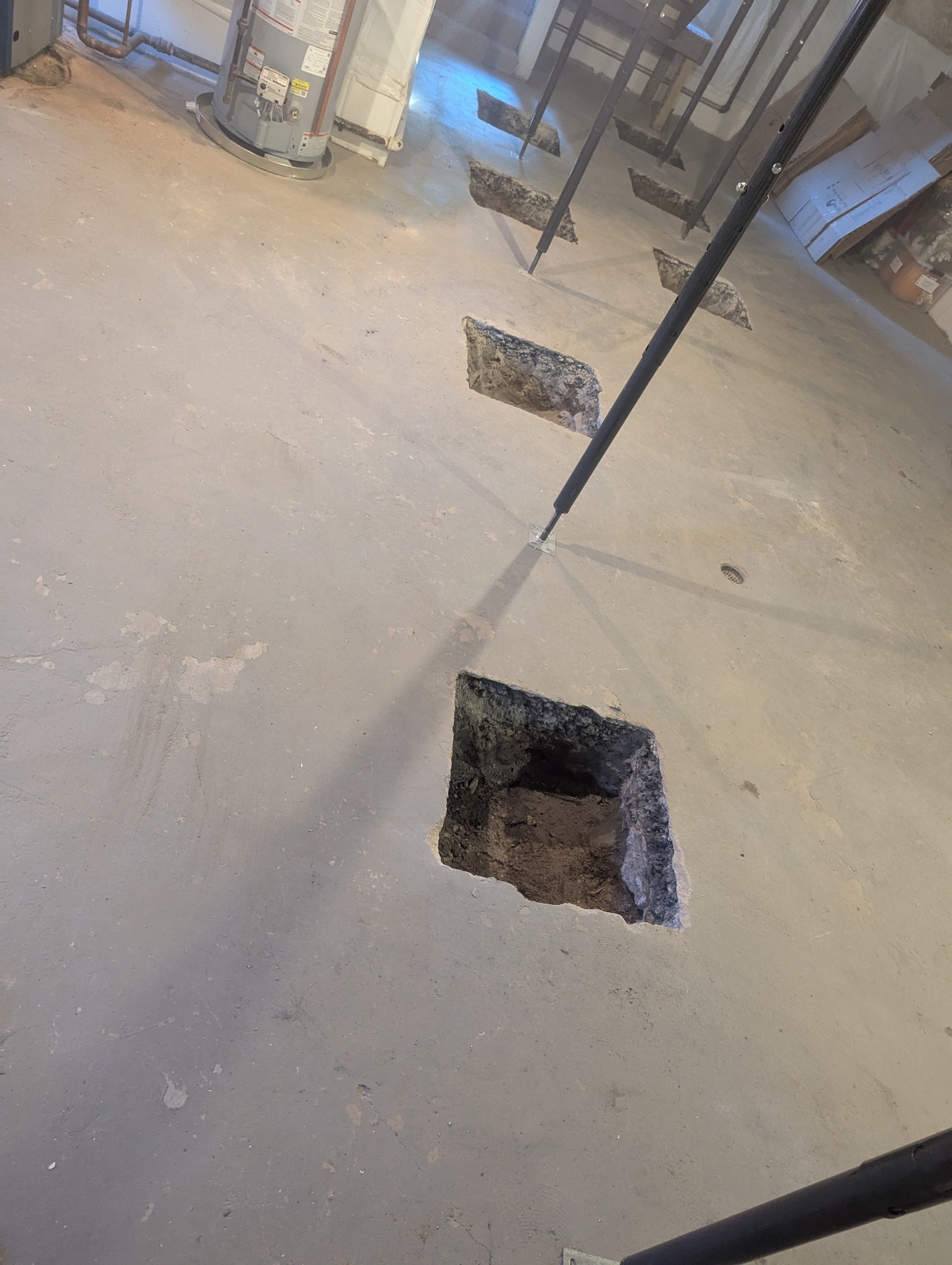
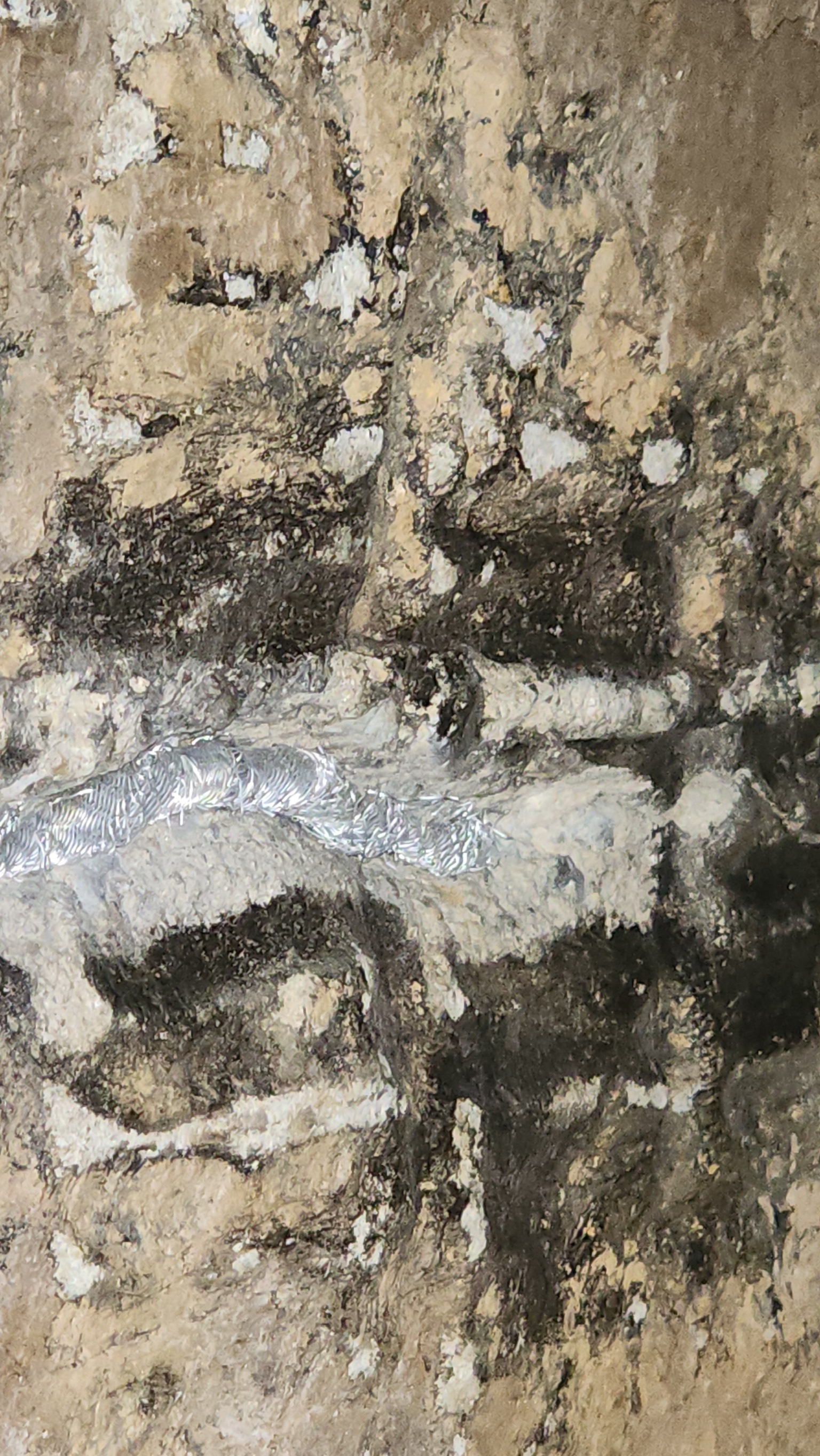
A closer look at the equipment, materials, and job site conditions involved in this kind of work.
Honest Answers.
Common Questions About
OBW Foundation Inspections
Call (410) 879-3360 if your question isn't here. Our inspectors answer questions, no pressure.
How long does an OBW foundation inspection take?
Most residential foundation inspections take 45 minutes to an hour and a half depending on the size and accessibility of the foundation. Our inspector walks the full perimeter of the basement or crawl space, examines every wall face, checks the floor slab for cracks and heave, looks at sill plates and rim joists, notes moisture indicators (efflorescence, staining, odor), and identifies any areas of settlement or lateral movement. Larger homes or those with crawl spaces alongside a partial basement typically run closer to 90 minutes.
At the end of the inspection, the inspector will walk you through their findings verbally before leaving. A written report with photos follows. If the findings are significant, active bowing, major settlement, wide structural cracks, the inspector will explain the urgency and what the next step would be. If the foundation is in good shape, they will tell you that too. They recommend a repair only when the evidence supports one.
What does OBW's foundation inspection cover that a home inspector doesn't?
A home inspector is a generalist. They check the foundation the same way they check the HVAC, the roof, and the electrical panel, quickly, visually, from a checklist. Their report tells you whether something is present, not necessarily how serious it is or what's causing it.
OBW's foundation inspection goes significantly deeper. We measure crack widths and note whether they are static or actively widening (marks placed at crack ends during a prior inspection, compared on a follow-up). We assess wall deflection with a level, measuring how much a bowing wall has moved inward. We check the sill plate and rim joist for rot and termite damage that indicates long-term moisture infiltration. We note soil saturation patterns on the outside of the wall where visible through window wells or walkouts.
Most importantly, we have the experience to tell you whether what we see is cosmetic or structural. Settlement cracks at the corner of a window are common and often stable. A horizontal crack running mid-wall on a block foundation is a structural emergency. A home inspector will note both. We will tell you which one to act on now.
Does the inspection cost anything?
The foundation inspection is free. There is no obligation to hire OBW for any repair work as a result of the inspection. We do not charge a trip fee or diagnostic fee.
The reason we can offer this is straightforward: our inspectors take a consultative approach. They are there to give you an honest assessment whether you hire us or not. If your foundation doesn't need work, they will tell you. If it does need work, they will explain what they found, give you a written summary, and provide a quote. You decide what to do with that information.
Do I need to be home for the foundation inspection?
For a basement inspection, yes, the inspector needs access to the interior. If you have a combination of basement and crawl space, access to both is needed. We do not do exterior-only assessments for structural concerns because the most diagnostic information is almost always on the interior wall face, not the outside.
If you cannot be present, a trusted adult who can grant access and relay the inspector's verbal summary works. We will follow up with the written report regardless. For real estate transactions where the owner has already vacated, we routinely work with the buyer's agent or buyer directly to coordinate access.
What happens if the inspector finds something serious?
If the inspector identifies a significant structural issue, active wall bowing, major settlement differential, a crack pattern indicating foundation movement rather than normal shrinkage, they will tell you clearly, in plain language, what they found and what the risk of inaction is. You will not receive vague language designed to alarm you into signing the same day.
In cases involving severe structural risk (a wall that is close to failure, for example), the inspector will recommend that you consult a licensed structural engineer in addition to getting repair quotes. OBW can refer engineers we work with regularly. For most findings, we provide a written repair proposal with a line-item quote. Some findings will require a second visit to finalize scope, large jobs or complex settlement patterns may need additional measurement before we can price accurately.
If the inspector finds only minor issues or finds nothing requiring action, you will receive a written summary stating that and a recommendation for when to re-inspect (typically after the next heavy rain season or in two to three years for a healthy foundation).
70 Years of Maryland Foundations
Why Maryland Homeowners Trust
OBW's Foundation Inspectors
Three generations of the Pirog family have been diagnosing Maryland foundation problems since Frank Pirog Sr. founded Oriole in 1953.
Consultative Inspectors
OBW inspectors take a consultative approach. Their only job is to diagnose accurately, not to upsell the largest repair package.
Maryland-Specific Experience
Piedmont clay soils, Chesapeake Bay water tables, and Maryland freeze-thaw cycles produce specific crack and settlement patterns. We recognize them.
Useful Beyond Repair
Even if your foundation needs no work today, our written report is useful for real estate disclosure, insurance documentation, and future comparisons.
Family-Owned Since 1953
Frank Pirog Sr. founded Oriole over 70 years ago. Amber Pirog leads the company today with the same standard: honest assessment, honest work.
Simple. Fast. No Obligation.
How to Schedule Your
Free Foundation Inspection
Most inspections are scheduled within one to two weeks. Spring and post-storm seasons are busiest, call early if you've just had water.
Call or Request Online
Call (410) 879-3360 or submit a request online. Tell us what you're seeing, cracks, water, sticking doors, and we'll schedule an inspector.
Inspector Visits Your Home
A local OBW inspector conducts the full inspection, exterior walkthrough, interior wall and floor assessment, sill plate check, and walks you through findings on the spot.
Receive Written Report
You receive a written summary with photographs. If repairs are warranted, a line-item quote is included. No obligation to proceed. No follow-up pressure calls.
Know What Your Foundation Is Doing.
Free inspection. Written report. No obligation, honest, consultative guidance, no pressure.
Family-owned since 1953 · MHIC #4247 · Written Workmanship Guarantee